

Build a Shrimp Farm
Learn to raise fresh, antibiotic-free shrimp in your garage or shop with a step-by-step video course filmed on a working Iowa farm. See every nursery tank, 5,000-gallon grow-out pool, filter, and daily chore, plus the real costs of feed, stock, salt, and power. Then learn the licensing basics and the local pre-order playbook we use to sell every pound before harvest, so you skip the costly mistakes we made.
My name is Caleb Renner, and I raise shrimp in a shop in Iowa.
Not on a coastal commercial farm. Not with a million-dollar facility. In a space not much bigger than a garage, using IBC totes from a farm chemical supplier, a $1,200 above-ground pool from Amazon, and a foam fractionator we built ourselves out of PVC pipe.
And the part people don’t expect? We sell our shrimp through pre-orders. Local families reserve their pounds online, pick a pickup time, and drive out to get fresh shrimp from someone they know.
This course shows you how to build the same thing, including the mistakes that cost us money and shrimp so they don’t cost you.
Shrimp Farming
The Problem
If you’ve looked into raising shrimp, you’ve probably hit the same wall we did:
- Information scattered across forums, guides, and videos
- No one telling you what it actually costs to feed, heat, and stock
- Plumbing and filtration diagrams that look like a chemistry exam
- Zero guidance on the licenses you need or how to actually sell
Most people either give up before they start, or they start, lose a batch, and never know why.
The Solution
This course is a full walkthrough of a working small-scale shrimp farm, filmed on-site, tank by tank. You’ll see the real equipment, hear exactly why we chose it, and learn what we’d do differently if we started today.
Shrimp Parming Made easy
What’s inside
the course?
Six modules of content:
Module 1: The Nursery System
- Why IBC totes are the cheapest, easiest nursery tanks you can buy, where to find them, and the cutting trick that keeps condensation dripping back in so you refill less water
- Automatic feeders and how to measure exactly how much feed goes out per rotation
- Heater setup and placement
- The stand pipe, radial flow settling tank, and filter bucket system that keeps water clean without sucking up baby shrimp
- Venturi nozzles: how to aerate your tanks without a separate air pump
- The one change that raised our survival rate by an estimated 30–40% (reverse osmosis water, and the faster alternative for big tanks)
- Building simple PVC-and-netting shelters so young shrimp don’t eat each other
Module 2: Harvesting and the Grow-Out Pool
- How to transfer shrimp from nursery to grow-out without wasting the water you worked so hard to filter
- The trap trick for catching the last stragglers
- Setting up a 5,000-gallon pool for about $1,200, and choosing rectangular vs. circular
- The salinity “Goldilocks zone” we grow to market size in
- Belt feeders that run on a 24-hour clock, practically hands-off
- Why we specifically recommend a variable-speed pump, and how it saves energy
- Plumbing a “raceway” current around the pool with four venturi nozzles
Module 3: Filtration That Actually Works
- Screen filters, moving bed biofilters with K1 media, and how beneficial bacteria break down ammonia
- How to build your own foam fractionator from 10″, 4″, and 2″ PVC, the piece of equipment that made the biggest difference in our water
- Why we’d skip the screen filter entirely if we built again
- The $5 mistake that killed a whole tank of shrimp overnight, and how to prevent it
Module 4: Daily Chores and Water Testing
- A simple daily routine: feeding, testing, cleaning
- How to test salinity, pH, dissolved oxygen, ammonia, and nitrates, and what numbers you want to see
- What to do when a reading goes wrong (ammonia remover, pH reducer, baking soda)
- Filter cleaning schedules for every part of the system
- Turning foam fractionator waste into garden fertilizer, and a possible second revenue stream
Module 5: Marketing and Sales
- Why you should start posting the day you decide to build, not the day you have shrimp
- Using Facebook for local reach and TikTok for going viral
- The pre-order website setup that shows available pounds, subtracts orders automatically, and schedules pickups so you never oversell
- Flash sales, customer email lists, and “500 pounds just dropped” announcements
- Free farm tours with grilled samples, and why they convert
- Partnering with your Chamber of Commerce, fairs, farmers markets, and local events
- Building a brand with merch and your own products
Module 6: Real Input Costs and Licensing
- The four major inputs: feed, post-larvae, electricity, packaging
- Feed plans compared: semi-intensive (~$1.36/lb) vs. hyper-intensive (~$1.63/lb), roughly $1,020–$1,220 per batch
- Where to buy baby shrimp (10,000 post-larvae for roughly $200–$400) and why driving to pick them up beats overnight shipping
- Salt: the expensive way, the professional blend we use, and the budget route
- Honest electricity numbers from summer to a northern winter, plus ways to cut them
- Unit licenses, import licenses, and when you need a commercial processing license (including the HACCP plan)
- The label disclaimer you must include
we are not the same
Why this course is different

It's Real
Every video is filmed in a live, working, commercial farm, not a render or a theory lecture.
It Includes Our Failures
You learn from our losses instead of your own. We have already experienced so you don’t have to.
It's Honest About Money
You’ll see actual feed, stock, salt, electricity, and packaging costs before you spend a dollar.
It Covers Selling, Not Just Growing
Most guides stop at the tank. We show you how to get the shrimp out the door and into your community.


Who this is for
- Homesteaders and hobby farmers looking for a new, high-interest product
- Anyone with a garage, shop, or outbuilding and the itch to build something
- Small-town entrepreneurs who want a local, community-backed business
- Farmers looking to diversify with a year-round indoor operation
Who this is NOT for
- People looking for a get-rich-quick scheme with no daily work
- Anyone unwilling to test water, clean filters, and check on their shrimp
- Those who want to skip local licensing requirements

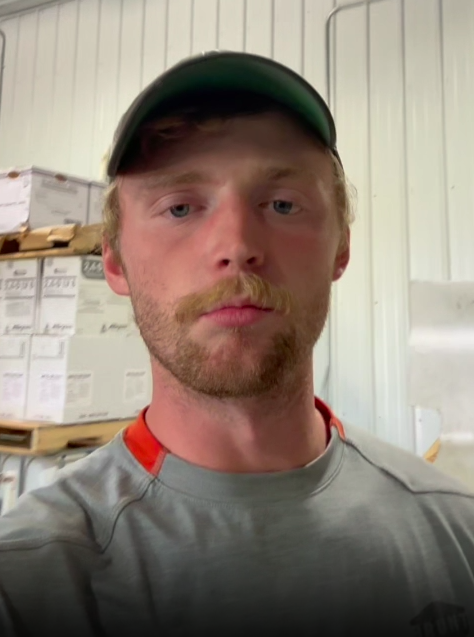
Caleb Renner
Meet your instructor
Caleb Renner raises shrimp in Iowa and sells directly to his local community through pre-orders, farm tours, and local events.
His farm has been toured by the local Chamber of Commerce, and he built much of his own filtration equipment by hand. This course is everything he learned setting up, running, and selling from his own operation.
Two Purchase Options
Purchase the course and start today
Beginner Course: $99
Get full access to all six modules of the course, filmed on-site at our working farm in Iowa. You’ll walk through every piece of the system tank by tank: the IBC tote nursery, the 5,000-gallon grow-out pool, the homemade foam fractionator, the daily water-testing routine, real input costs per batch, the licenses you’ll need, and the pre-order sales system we use to sell our shrimp before harvest. It’s everything we learned building and running our farm, including the mistakes that cost us shrimp and money, so you can build yours at your own pace.
Professional Course: $479
The complete course plus a full year of direct access to us by phone, email, and messaging while you build and run your first batches. When your ammonia reading spikes, when you’re not sure your venturi nozzles are plumbed right, or when you’re working out what your state’s licensing office is asking for, you won’t be digging through forums hoping someone answers. With a batch costing well over $1,500 in feed, post-larvae, salt, and electricity, plus three months of your time, this option is built for growers who want a second set of experienced eyes.
© 2026 CR Shrimp All Rights Reserved.
This material is the proprietary work of CR Shrimp and is provided for educational purposes only. No portion of this material may be copied, reproduced, distributed, modified, published, or sold without prior written permission. Use of this information is at your own risk.